· 5 min read
SEO for Medical Practices in El Paso: How Patients Find You on Google
How El Paso patients find a doctor on Google, the five things that move a medical practice up, and what two local practices did to get there.
A patient in El Paso who needs a specialist does one of two things. They ask someone they trust, or they type “kidney doctor el paso” or “ENT near me” into Google. Either way they end up looking at the same screen: a map with three practices on it, and a short list of websites underneath.
If your practice is not on that screen, the patient books with someone who is. This guide explains how a medical practice gets there, what is different about SEO in healthcare, and what two El Paso practices did to make it work.
What is different about SEO for a medical practice
Most of the work is the same as for any local business. Three things are not.
Google holds health content to a higher standard. Pages about conditions and treatments need to be accurate, written or reviewed by someone qualified, and clear about who the doctor is. A page that names the physician, their training and their board certification does better than an anonymous one.
You are competing with hospitals and directories. Search for almost any specialty and the first results are hospital systems, Healthgrades, Zocdoc and insurance listings. An independent practice does not beat them on size. It beats them by being the most specific answer for one specialty in one city.
Privacy rules apply to your marketing. You cannot confirm that someone is a patient when you reply to a review, and patient details never belong in a tracking tool. A marketing partner who does not know this is a risk to your practice.
Five things that move a practice up
1. A complete Google Business Profile
The map results come from your Google Business Profile, not your website. Pick the right primary category (“Nephrologist”, not “Doctor”), list every service, keep hours and phone numbers exact, and add real photos of the office and the team. If you have more than one location, each one needs its own profile.
2. One page for each condition and service
Patients search for what is wrong, not for your practice name. A single “Services” page cannot rank for sinus surgery, hearing loss and sleep apnea at once. Each one needs its own page that explains the condition, the treatment, what a visit looks like and how to book.
3. A steady flow of reviews
Reviews affect where you show on the map and whether a patient picks you once you do. Ask every satisfied patient, make it one tap from a text or a card at the front desk, and reply to each review without confirming any details of care.
4. A fast site that works on a phone
Most patients search on a phone, often while worried. The phone number should be tappable at the top of every page, the booking form short, and the page loaded in about two seconds.
5. Pages in English and Spanish
A large share of El Paso searches happen in Spanish. A practice with real Spanish pages, written by a person and not run through a translator, reaches patients most of its competitors ignore.
Behind all five sits tracking. You should be able to see how many calls and appointment requests came from Google each month. If you are comparing agencies, our guide on how to choose an SEO company in El Paso lists what to ask.
Two El Paso practices that did it
The Kidney MD
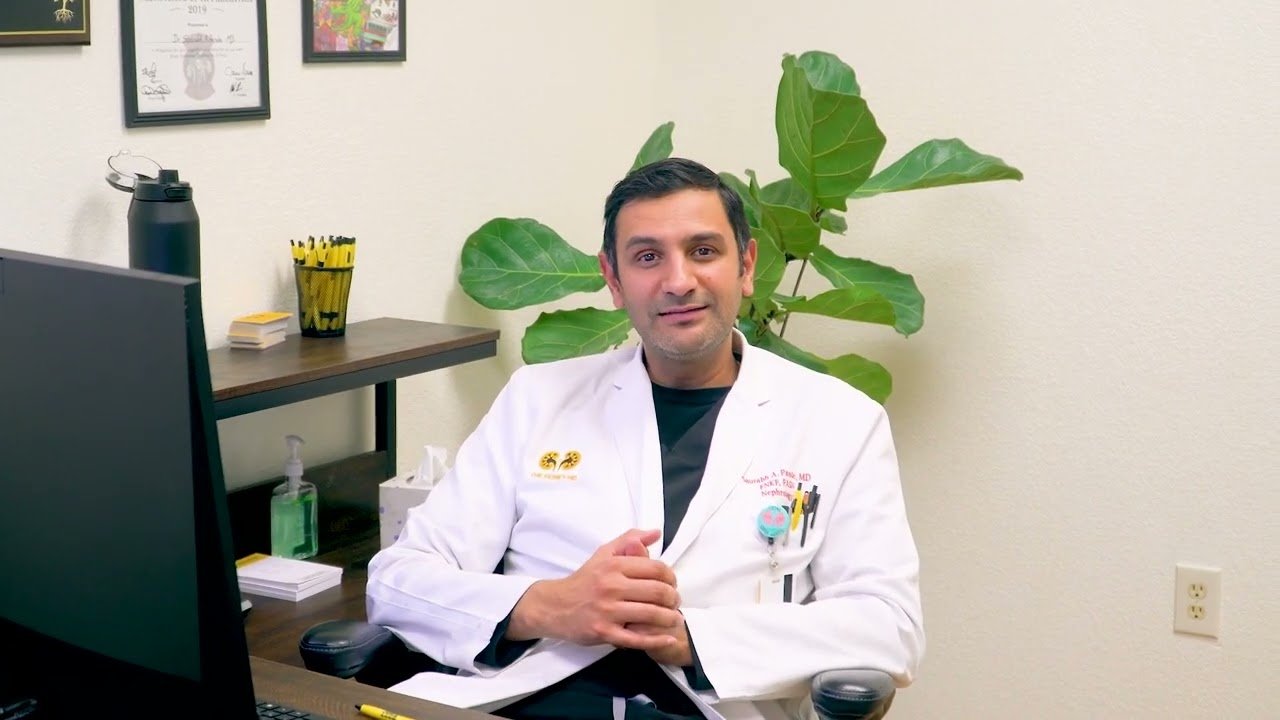
The Kidney MD is a nephrology practice in El Paso. Patients searching for a kidney specialist were finding hospital directories and long-established groups first. We built a fast practice website and ran local SEO around nephrology, dialysis and transplant searches.
Dr. Saurabh Pande, the nephrologist behind the practice, describes the change this way:
“I used to have a website that never showed up on any Google search. Now when somebody types kidney doctor El Paso, for the most part it’s coming up one or two. We’re getting more referrals because of the website.”
Read The Kidney MD case study.
El Paso Head and Neck Surgery
El Paso Head and Neck Surgery is an ear, nose and throat practice. When we started, the site was getting about 30 clicks a month from search. We rebuilt it with a page for each service patients search for, then kept working the SEO month after month. It now brings in more than 1,000 organic visits a month.
Dr. Benjamin Westbrook, ENT surgeon and owner:
“SEO was in the tank when he took over, and he brought me up to always competing for the top couple of slots when keyword searches are entered into Google.”
Read the El Paso Head and Neck Surgery case study.
Both practices started from the same place: a good doctor that Google could not see. Both got there with the same five things above, done consistently.
Mistakes we see practices make
- Relying on the hospital or group listing. That page sends patients to the system, not to you.
- One page for everything. A single services page gives Google nothing specific to rank.
- Duplicate or outdated profiles. An old address or a second profile from a previous office splits your reviews and confuses the map.
- Stock photos only. Patients want to see the doctor and the office before they book.
- No way to tell what is working. If nobody can say how many new patients came from Google last month, nobody can improve it.
How long it takes
Map results usually move first, often within one to three months of fixing the profile and reviews. Ranking for competitive specialty searches across the city takes longer, usually three to six months of steady work, and longer for the most competitive searches. Nobody can promise a position, and you should be wary of anyone who does.
Talk to a team that has done this in El Paso
Bedrock Digital is based in downtown El Paso and has ranked local medical practices against hospital systems. Send us your website and we will tell you where it stands on Google and what we would fix first.
See how we do SEO in El Paso, read about our healthcare marketing, or book a strategy call.